Topical GSH can be used alongside mild pigment inhibitors, such as arbutin or tranexamic acid
All Ingredients: Water, Dipropylene Glycol, Glycerin, 1,2-Hexanediol, Niacinamide, Polyglycerin-3, Acrylates/C10-30 Alkyl Acrylate Crosspolymer, Tromethamine, Erythritol, Butylene Glycol, Ethylhexylglycerin, 3-O-Ethyl Ascorbic Acid, Adenosine, Disodium EDTA, Pentylene Glycol, Madecassoside, Glutathione, Acetyl Glucosamine, Asiaticoside, Centella Asiatica Extract, Hydrogenated Lecithin, Cholesterol, Tocopherol, Chitosan, Ascorbic Acid, Ascorbyl Glucoside, Ceramide NP, Pyrus Malus (Apple) Fruit Cell Extract, Allantoin, Capryloyl Salicylic Acid, Ferulic Acid, Hydroxypropyltrimonium Hyaluronate, Panthenol, Lactic Acid, Propanediol, Sodium Hyaluronate Crosspolymer, Hydrolyzed Glycosaminoglycans, Sodium Hyaluronate, Benzyl Glycol, Beta-Glucan, Hydrolyzed Hyaluronic Acid, Hyaluronic Acid
Keywords NRF2 KEAP1 antioxidant response metabolism glucose glutamine ROS 1
We believe that sustainable weight loss should be achieved through science, empathy, and a transparent approach, providing a user-friendly and supportive space where individuals receive personalized, medically supervised care
Is Glutathione Safe for Skin
Abstract Mitochondrial ORF of the 12S rRNA Type-C (MOTS-c) is a mitochondrial-derived peptide composed of 16 amino acids encoded by the 12S rRNA region of the mitochondrial genome





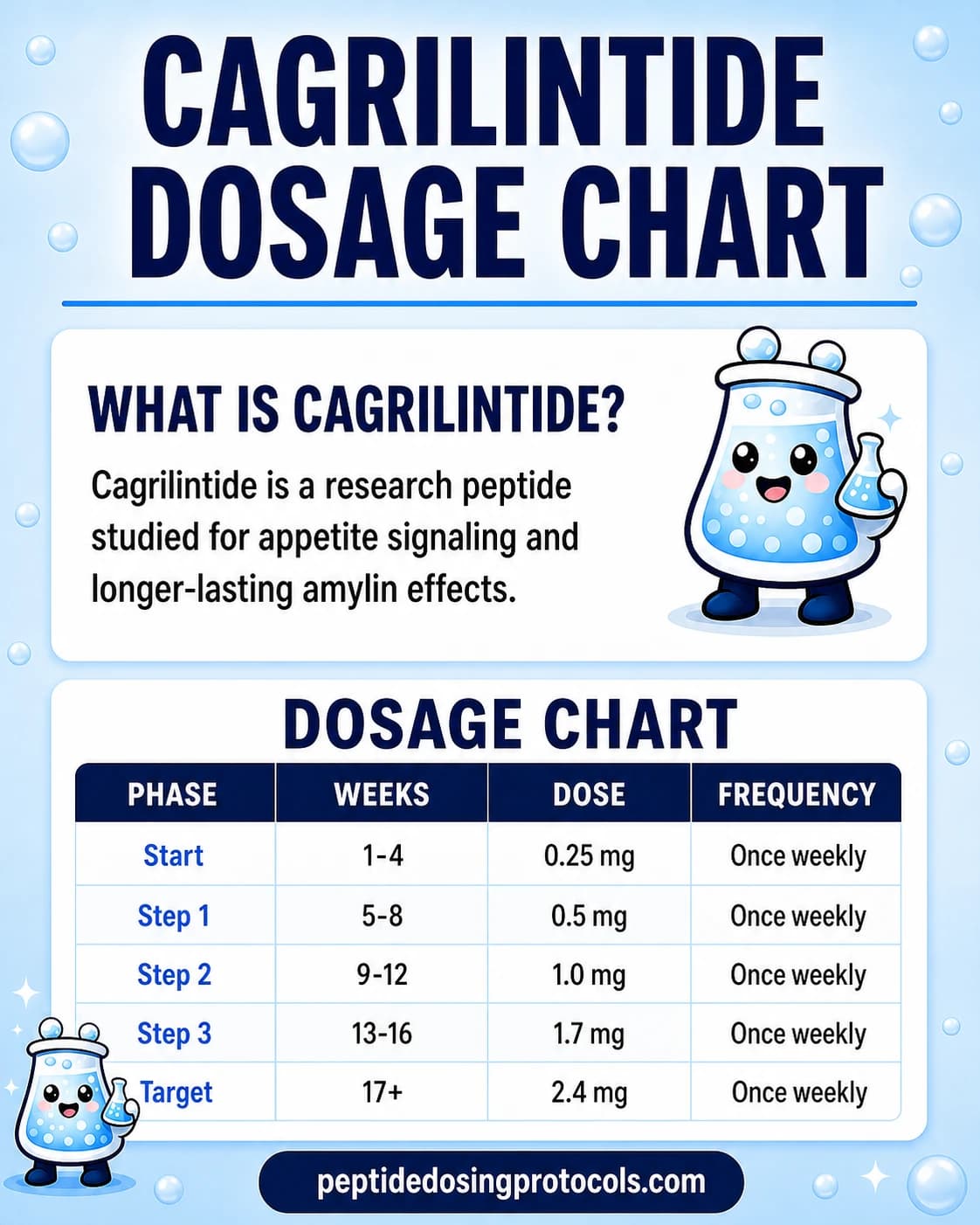

![cagrilintide dosing chart in units vs Retatrutide Compared PDF] Once-weekly cagrilintide for weight –](https://www.dosagepeptide.com/wp-content/uploads/2026/07/dp-cvr-src.webp)